
Why Your Favorite Brand Stops at Size 24 (And What That Really Means)
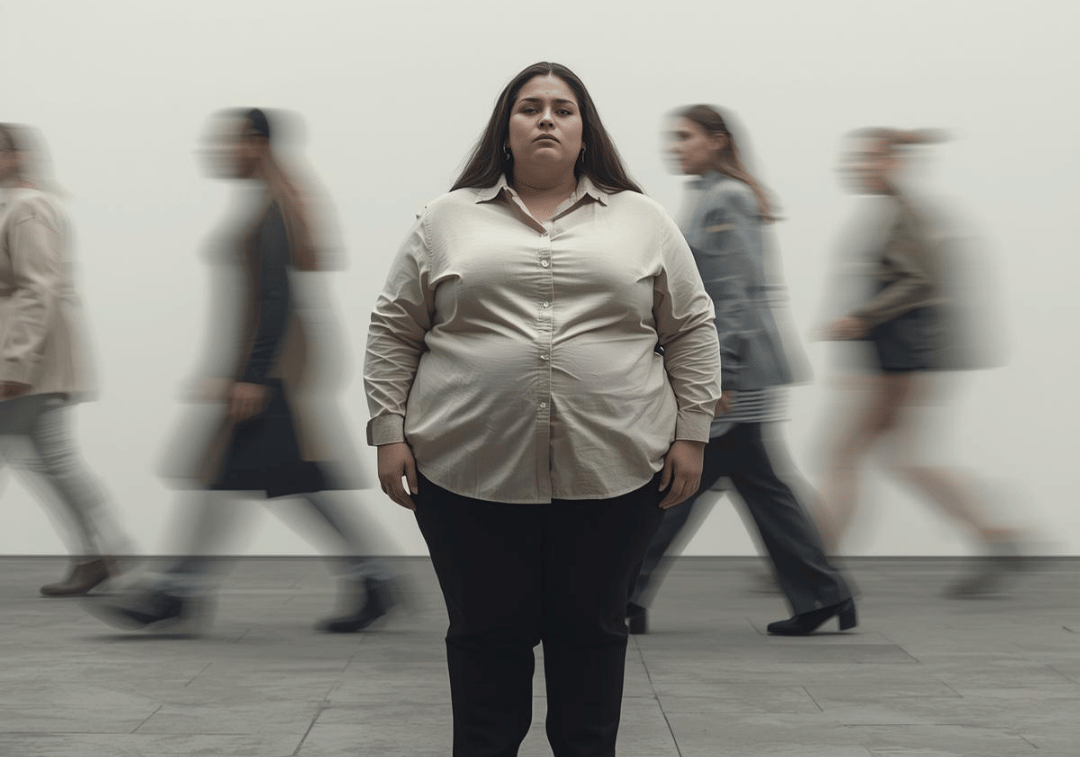
For many plus-size shoppers, a size 24 feels less like a number and more like a wall. You can browse, scroll, and even fall in love with a brand’s aesthetic—until you reach the size chart. It is in that moment of clicking "Filter" that the door quietly, yet firmly, closes right before your body is accounted for.
The question has been asked for decades: Why do so many brands stop at a size 24? While more labels now claim the "size-inclusive" mantle, the reality is that this cutoff remains a stubborn industry standard. Understanding why this wall exists requires looking beyond seasonal trends and into the rigid systems that shape the fashion world.
The Infrastructure of Exclusion
Stopping at size 24 was never about a lack of demand. Instead, it was about what fit into existing, outdated processes. From design education to manufacturing, the industry was built on a foundation that prioritizes smaller bodies.
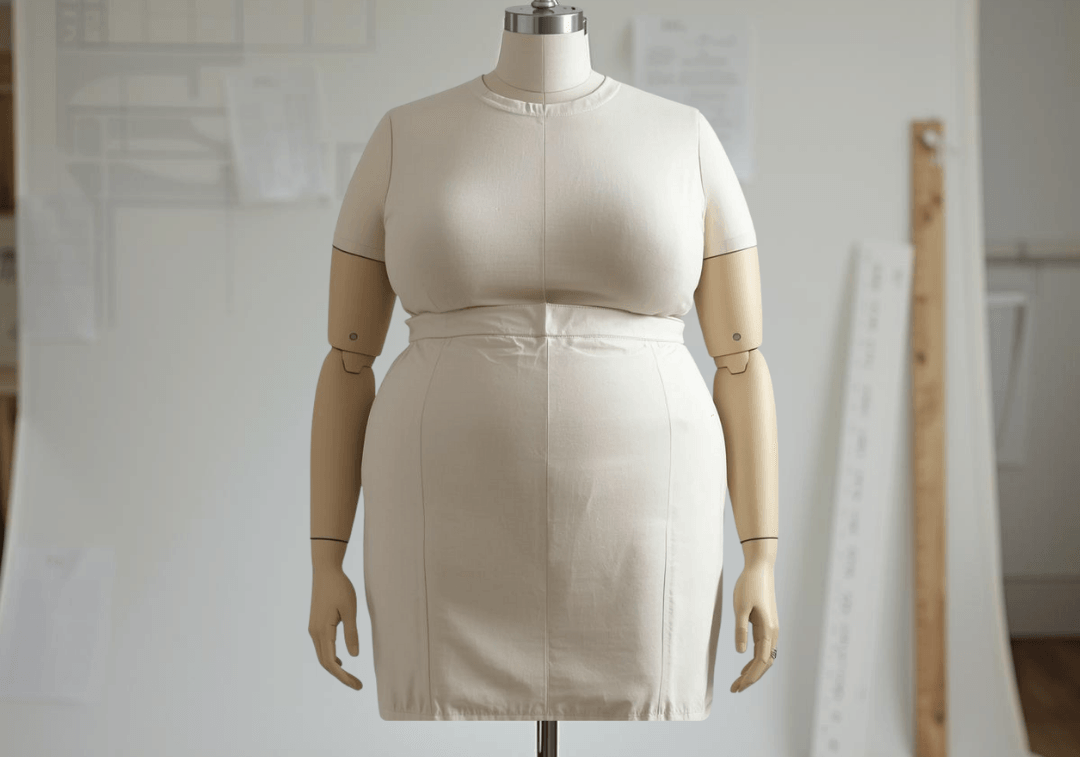
Pattern Grading: Many brands simply "scale up" from a sample size 4 or 6. By the time that pattern reaches a 24, the proportions often become distorted because the math doesn't account for the way weight is actually distributed on a human frame.
The "Standard" Endpoint: Once a size range becomes normalized in a factory or a boardroom, it’s treated as the natural conclusion. Even as the average consumer’s size has shifted, retail buying strategies remain tethered to these invisible limits.
Representation is a Functional Requirement
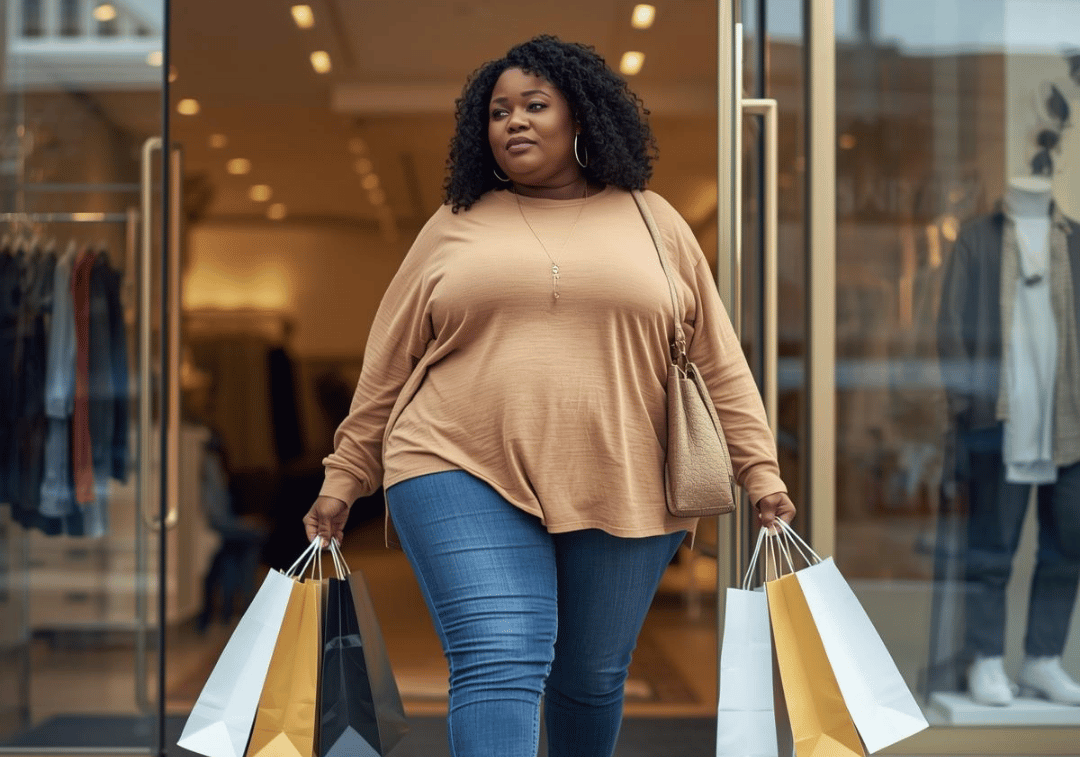
Offering extended sizes without showing them on extended-size bodies undermines the entire point of inclusion. When brands do reach a size 24 but use a size 8 model to market it, they turn shopping into a high-stakes gamble.
Fit, proportion, and movement matter—especially in larger sizes where small design differences, like the placement of a seam or the stretch of a fabric, have a massive impact. When customers can’t see how clothing behaves on a body similar to their own, the "extended range" becomes theoretical rather than usable.
The Message of the Model: Too often, brands rely on the smallest bodies in their range to model every garment. This sends a clear message: some bodies are "aspirational" and prioritized, while others are treated as an afterthought or a liability to the brand’s "image."
The Emotional Toll of the "Cutoff"
The impact of this cutoff is not just logistical; it’s deeply emotional. Fashion is a social language—it’s how we signal our identity, our professional status, and our joy. When clothing options disappear at a specific numerical line, so does the sense of belonging in style culture.
Exclusion from fashion reinforces a harmful societal narrative: that certain bodies are not meant to be seen, celebrated, or styled. It forces the consumer to do the work of "adapting" to the clothes, rather than demanding that the clothes adapt to the people.
Moving Toward True Inclusion
True representation requires a radical shift in how brands operate. It means:
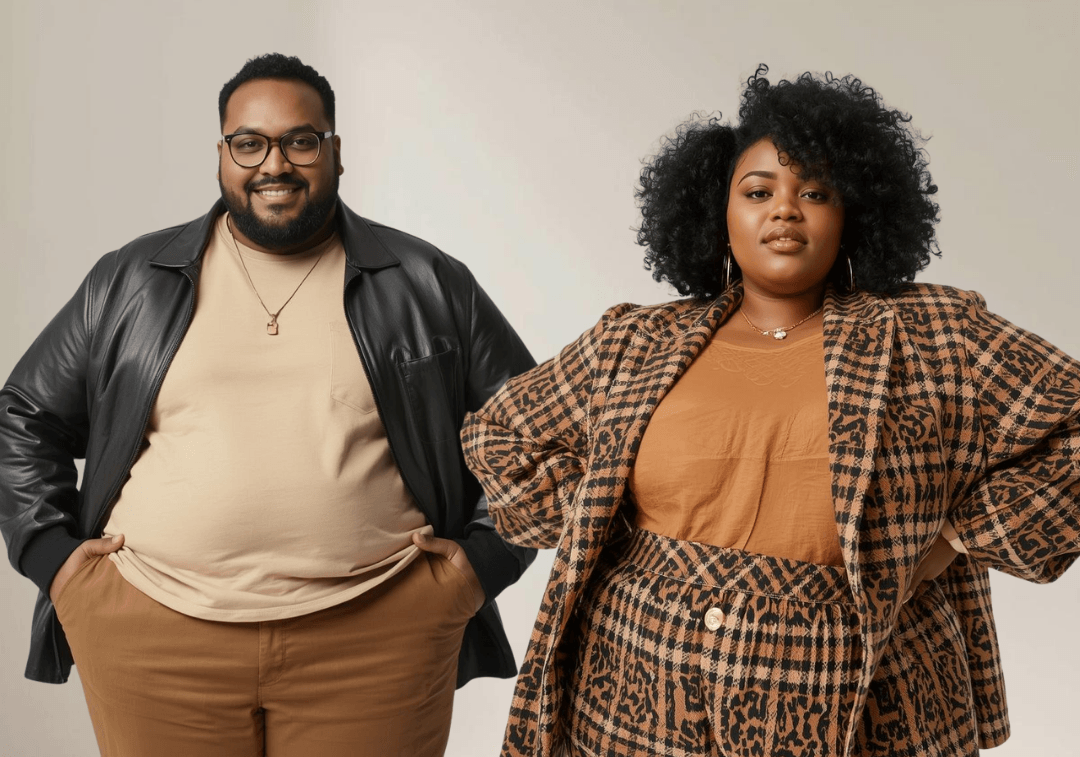
Casting across the full range: Showing the size 24 on a size 24 body, not just the "socially acceptable" hourglass shapes.
Intentional Design: Creating garments from the ground up for larger bodies, rather than treating them as an "add-on" to a straight-size collection.
Visibility as Trust: When customers see themselves reflected, brand loyalty increases. Inclusion only works when it is visible, consistent, and unapologetic.
Until brands interrogate why the size 24 wall was built in the first place, the industry will continue to treat inclusion as a "bonus feature" rather than a human right. It’s time for the system to change, because style should never have a size limit.

SHOP OUR AMAZON STOREFRONT
Discover our handpicked collection of products for plus-size
living-from cycling gear and adaptive equipment to clothing,
travel essentials, home must-haves, and more.
*As an Amazon Associate, we may earn from qualifying purchases.*


© 2025 by Body Ready LLC. All rights reserved.
We are a participant in various affiliate programs—including Amazon Services LLC Associates Program, Walmart Affiliate Program, Impact.com, CJ.com, Awin, and other brand affiliate programs—designed to provide a means for us to earn commissions by linking to their affiliated sites.


