
Six Years Later — Why Nothing Has Changed (And Why That’s the Most Disappointing Part)
In January 2018, The Curvy Fashionista published an article titled “Why Do Plus Size Brands Stop at Size 24? The Real Reasons?”, exposing the systemic barriers that kept people in sizes 26 and above from finding fashionable, well-fitting clothing. At the time, the piece sparked important conversations about inclusivity in fashion. Six years later, the reality for extended-size shoppers remains frustratingly similar. Despite louder conversations and some progress, real change has been slow, inconsistent, and incomplete.
The Promise of Progress—And Why It Falls Short
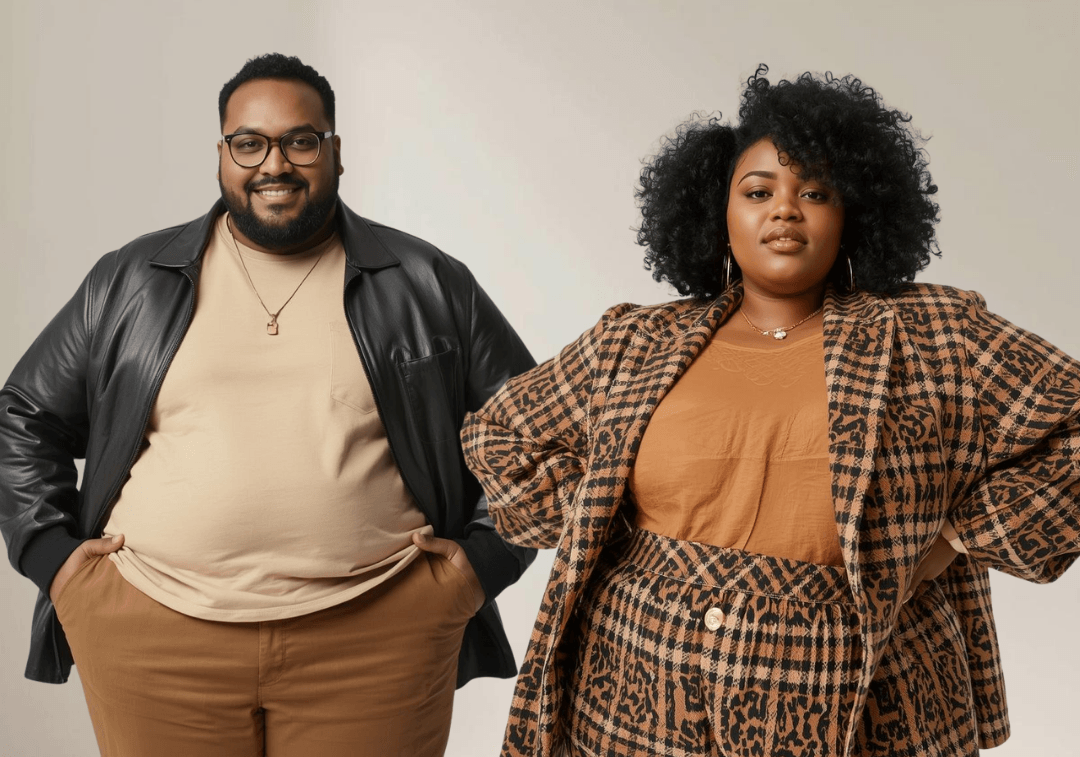
It’s easy to point to brands that have expanded sizing beyond 24 as a sign of progress. Some campaigns now include models in size 26, 28, or even higher. Social media influencers, plus-size bloggers, and customer advocacy have amplified the demand for inclusivity. The conversation has never been louder.
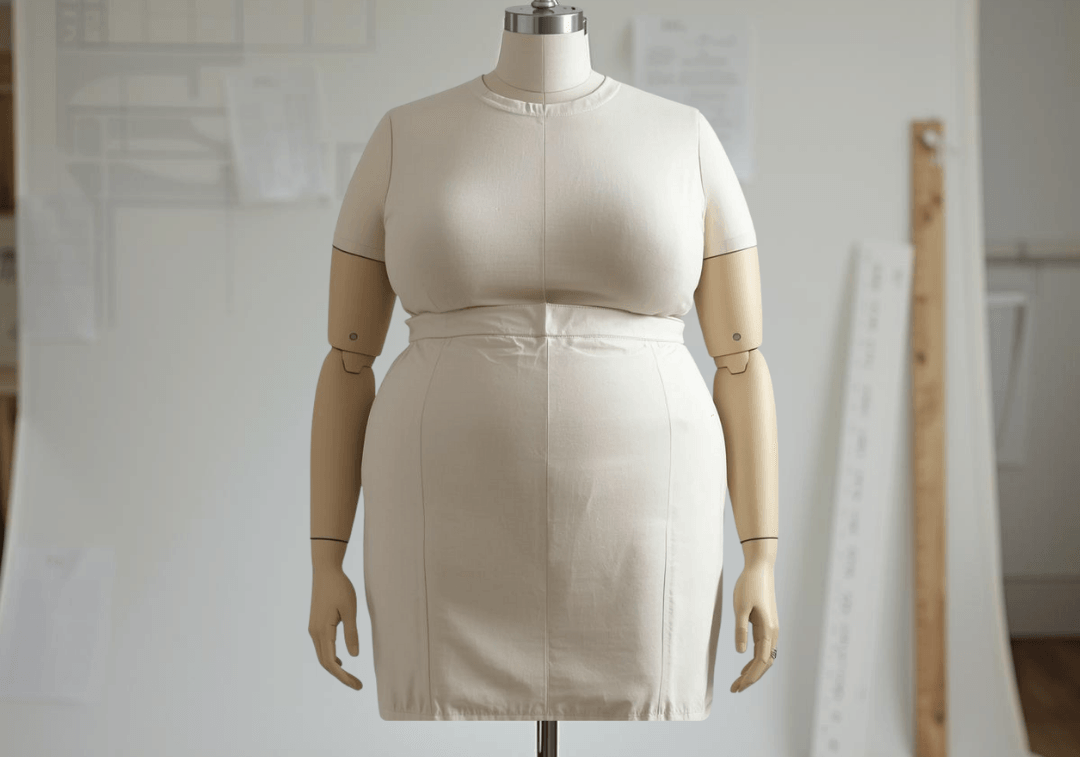
Yet, for many shoppers, the day-to-day reality tells a different story. For those in sizes 26+, shopping is still exhausting. Options are scarce, sizing is inconsistent, and the experience often feels like an uphill battle. Limited production runs disappear in minutes. Online stores may carry the size, but representation is often missing: clothes are photographed on smaller plus-size models, fit notes are vague, and in-store availability is minimal.
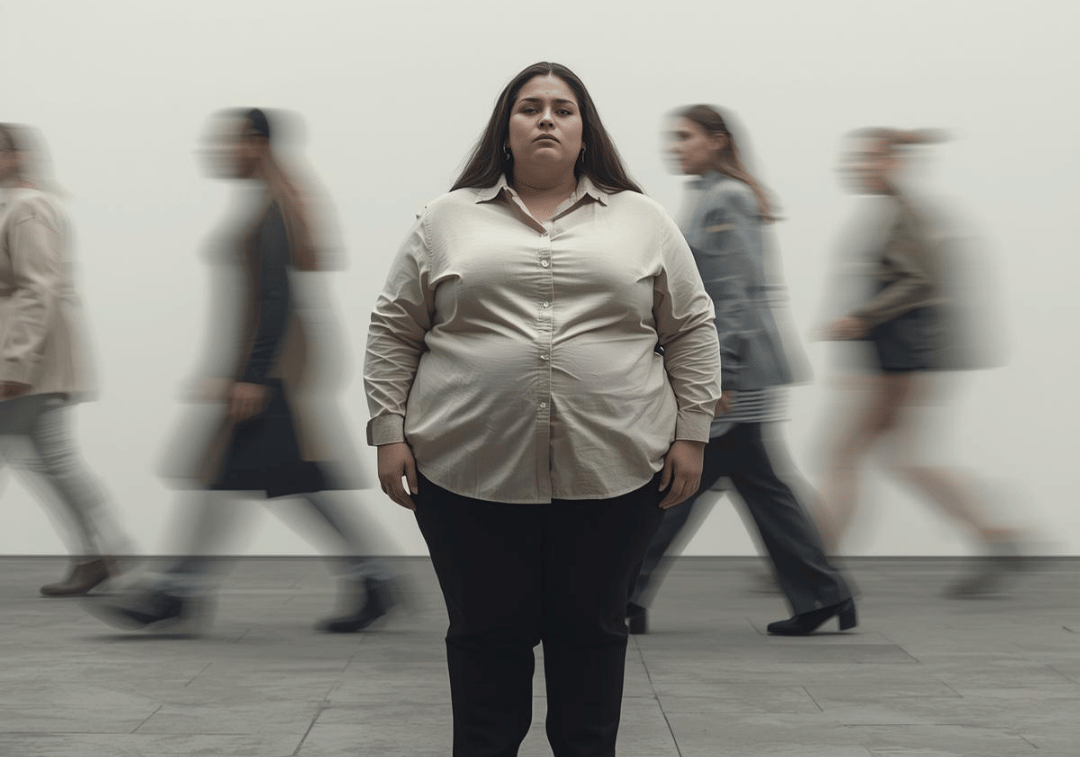
The result? A cycle of frustration that leaves many shoppers feeling invisible and overlooked. The industry talks about inclusivity—but when it comes to actual products, extended-size customers are still often treated as an afterthought.
The Emotional Cost of Limited Options
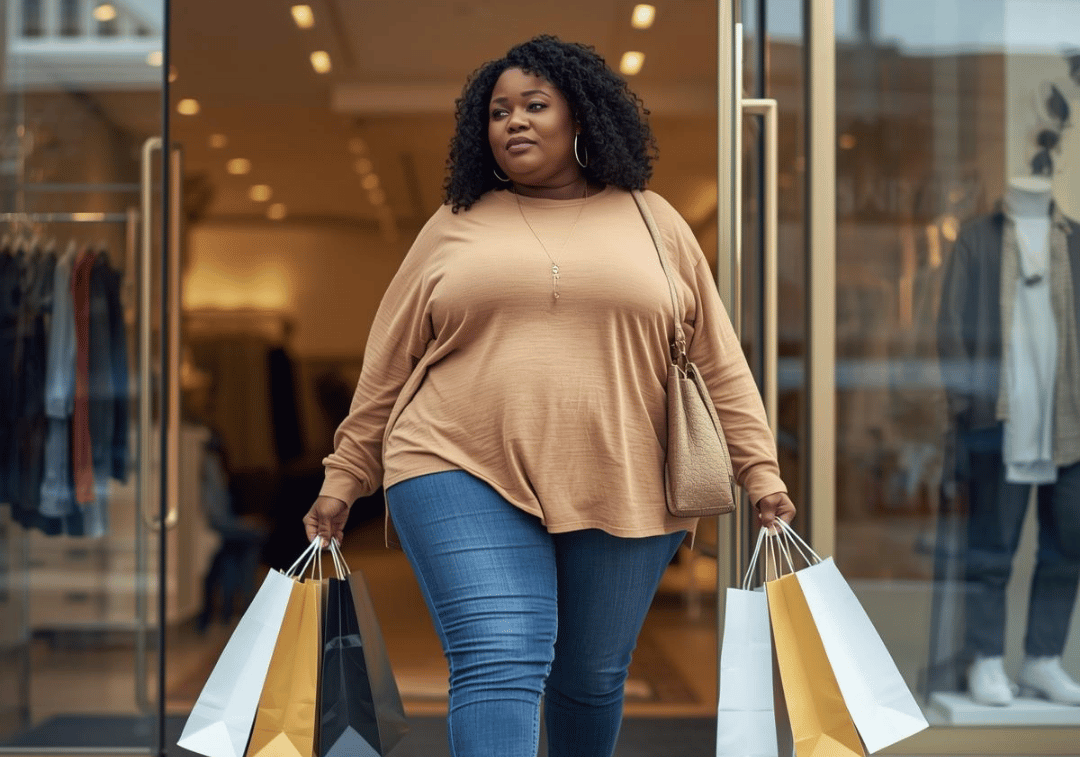
Shopping should be enjoyable—or at least straightforward. For many extended-size consumers, it’s emotionally draining. One shopper described finding the perfect dress as a scavenger hunt, only to face sold-out sizes or garments that simply don’t fit. Another shared how she hesitates to try anything new because so many options in her size never make it to the racks.
These experiences are not isolated. They are recurring patterns that highlight how little has shifted since 2018. When customers are constantly navigating barriers—whether that’s fit, availability, or representation—shopping becomes a source of stress rather than joy.
What the Numbers Show
Recent research underscores the stagnation in extended-size fashion. The Vogue Business Spring/Summer 2026 Size Inclusivity Report reveals that plus-size representation on runways has actually declined in some areas, despite a few notable brands making progress. Runway sizing remains limited, leaving consumers eager for broader options.
A survey of 687 readers found that inconsistent sizing and poor fit are among the top reasons people avoid certain brands. Shoppers are often unsure whether an item will fit—or if it’s worth the hassle of returns. These findings confirm that the barriers highlighted six years ago are still very much real. Extended-size consumers are not theoretical—they are everyday shoppers navigating a system that often ignores them.
When Inclusivity Feels Like a Performance
Even when extended sizes are offered, inclusivity often feels performative. Marketing campaigns rarely feature models representing the full size range. Many brands still focus their messaging on the smallest plus-size bodies, with minimal outreach or targeted support for larger customers.
This performative approach leaves consumers navigating a fragmented, inconsistent system on their own. It reinforces the idea that extended-size shoppers are secondary customers, rather than an essential audience with real buying power. And while brands may celebrate diversity in advertising, the lack of thoughtful sizing, fit, and representation in products tells a different story.
The Urgency for Accountability
Six years is long enough. Progress without accountability is not progress. Fashion cannot continue to celebrate diversity in advertising while ignoring it in product development, inventory, and model representation. Extended sizing should not be a trend, a token gesture, or a marketing checkbox—it must be standard, thoughtfully executed, and meaningful.
Extended-size customers deserve clothing that fits, models that reflect them, and brands that treat them as essential, not optional. Until that happens, the industry continues to fail a large and loyal segment of its audience.
The Takeaway
Plus-size consumers—especially those above size 24—deserve more than empty promises.
They deserve:
Clothing that fits and is readily available.
Models and marketing that reflect real bodies across the size spectrum.
Brands that prioritize extended-size customers as a core audience, not a niche.
Call to Action:
For brands and retailers: Your extended-size customers are not a niche—they are waiting for you to show up fully. Make inventory, sizing, and marketing decisions that reflect inclusivity in a meaningful way.
For consumers: Your voice matters. Share your experiences, support brands that are doing it right, and hold the industry accountable. Demand more from fashion—it’s your buying power and feedback that can drive change.
Fashion is for everyone—but it will only be if we insist that it is. Extended sizes should no longer be optional, hidden, or performative. They must be standard, visible, and thoughtfully designed. Six years of promises are enough; it’s time for action.
References
Brianne. Why Do Plus Size Brands Stop at Size 24? The Real Reasons? The Curvy Fashionista (published originally on The Curvy Fashionista; archived on AOL). Available at: https://thecurvyfashionista.com/why-plus-sizes-stop-size-24/
Vogue Business Spring/Summer 2026 Size Inclusivity Report, Vogue Business (report on runway size diversity and consumer sizing challenges). Available at: https://www.vogue.com/article/the-vogue-business-spring-summer-2026-size-inclusivity-report
SHOP OUR AMAZON STOREFRONT
Discover our handpicked collection of products for plus-size
living-from cycling gear and adaptive equipment to clothing,
travel essentials, home must-haves, and more.
*As an Amazon Associate, we may earn from qualifying purchases.*


© 2025 by Body Ready LLC. All rights reserved.
We are a participant in various affiliate programs—including Amazon Services LLC Associates Program, Walmart Affiliate Program, Impact.com, CJ.com, Awin, and other brand affiliate programs—designed to provide a means for us to earn commissions by linking to their affiliated sites.


