
Representation Matters—And Extended Sizes Are Still Missing
In recent years, more brands have begun offering extended sizes, signaling progress toward greater inclusion in fashion. On the surface, this looks like a win. But offering extended sizes without showing them on extended-size bodies undermines the entire point of inclusion. Representation is not a bonus feature or a marketing afterthought—it’s a functional requirement. Without it, even the most generous size offerings feel incomplete, hollow, or performative.
Why Representation Is a Functional Need, Not a Nice-to-Have
When customers can’t see how clothing fits on bodies similar to their own, shopping becomes a gamble. Fit, proportion, and movement matter—especially in larger sizes, where small design differences can have a big impact on comfort, mobility, and confidence.
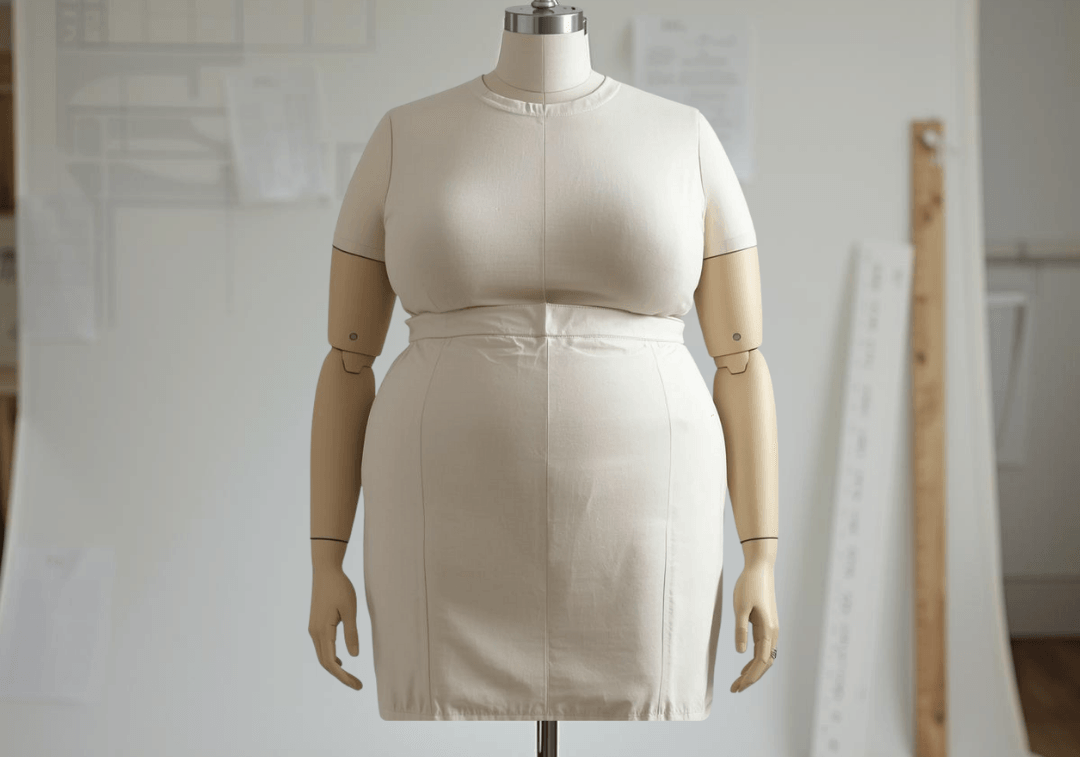
A seamline that looks perfectly placed on a size 2 may pinch, pull, or hang awkwardly on a size 22. A fabric that drapes beautifully on a size 4 may feel restrictive or unforgiving on a size 3X. Sleeve length, rise depth, stretch recovery, neckline placement—these details behave differently across bodies. Without visual proof, shoppers are left guessing.
And when people are forced to guess, many simply opt out. Instead of risking disappointment, wasted money, or the emotional toll of another return, they close the tab and move on. The loss isn’t just personal—it’s commercial. Brands lose trust, loyalty, and sales when representation is missing.
The Message Sent When Only Small Bodies Are Shown
Too often, brands rely on the smallest bodies in their size range to model every garment. This approach may feel convenient—it’s easier to photograph, easier to style, and aligns with long-standing industry norms—but it sends a clear message about whose bodies are prioritized and whose are treated as an afterthought.
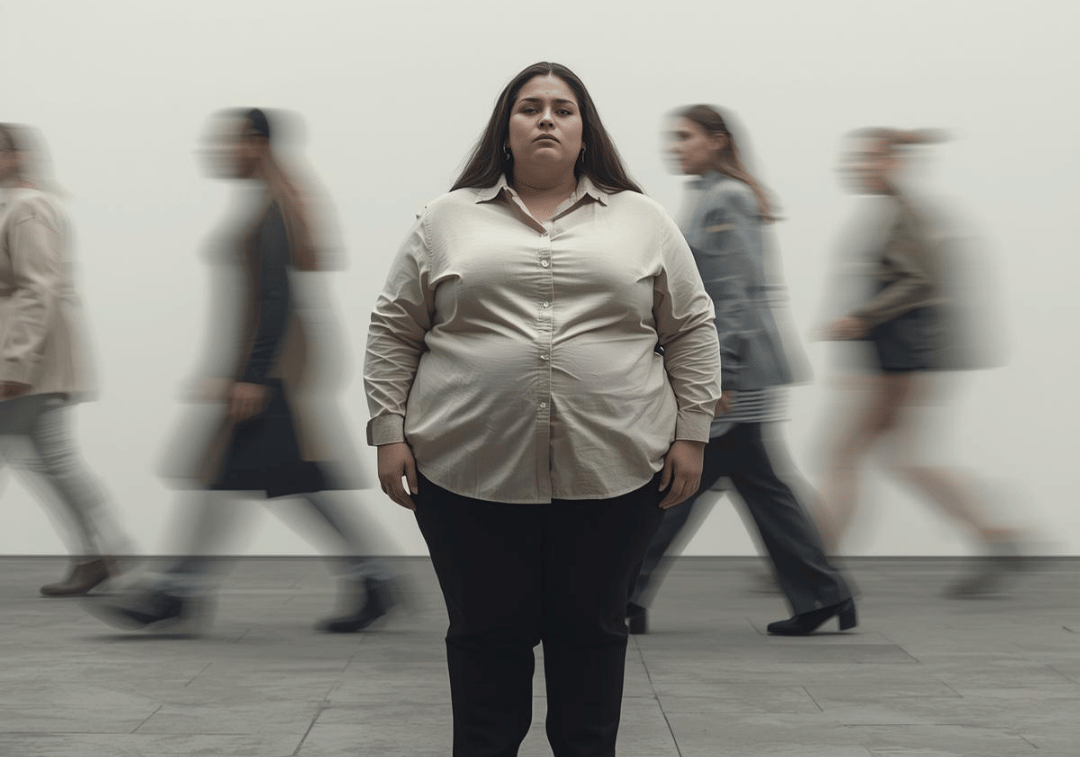
When extended sizes are technically available but never shown, customers notice. When a size 3X exists only in the dropdown menu and not on a real body, it signals that those shoppers were included reluctantly, not intentionally. No matter how inclusive a brand claims to be, these visual gaps speak louder than mission statements.
For extended-size customers, this absence reinforces a familiar and painful pattern: You can buy this, but you are not who we designed it for. That message erodes trust and makes inclusion feel conditional rather than genuine.
What True Representation Actually Requires
True representation doesn’t happen by accident. It requires planning, investment, and a willingness to challenge outdated assumptions about what is “marketable.” It means:
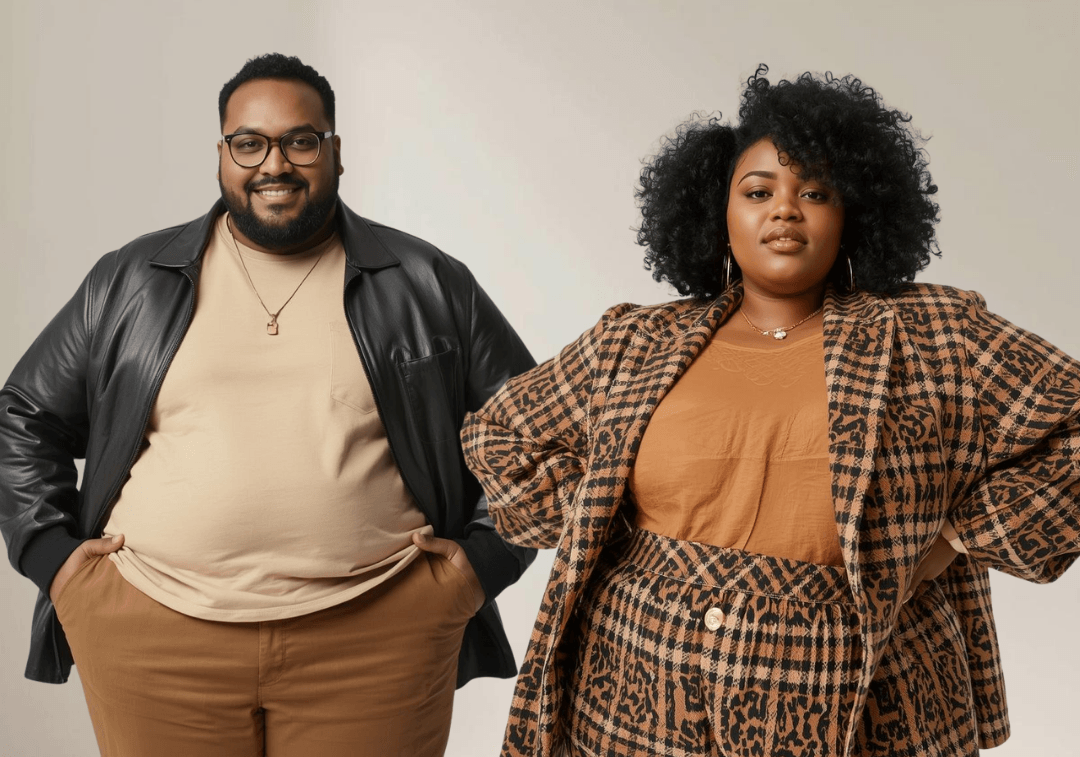
Casting models across the full size range offered—not just one token plus-size body
Showing garments on multiple body shapes within the same size range
Including diversity in age, ethnicity, height, and ability
Moving beyond agency limitations and actively seeking bodies that reflect real customers
Styling extended sizes with the same care, creativity, and respect as straight sizes
Representation also means consistency. One campaign image or occasional social post isn’t enough. Extended-size bodies should be visible everywhere the product appears: on product pages, in lookbooks, in ads, and on social media. Inclusion must be baked into the system, not sprinkled on top.
The Business Case for Visible Inclusion
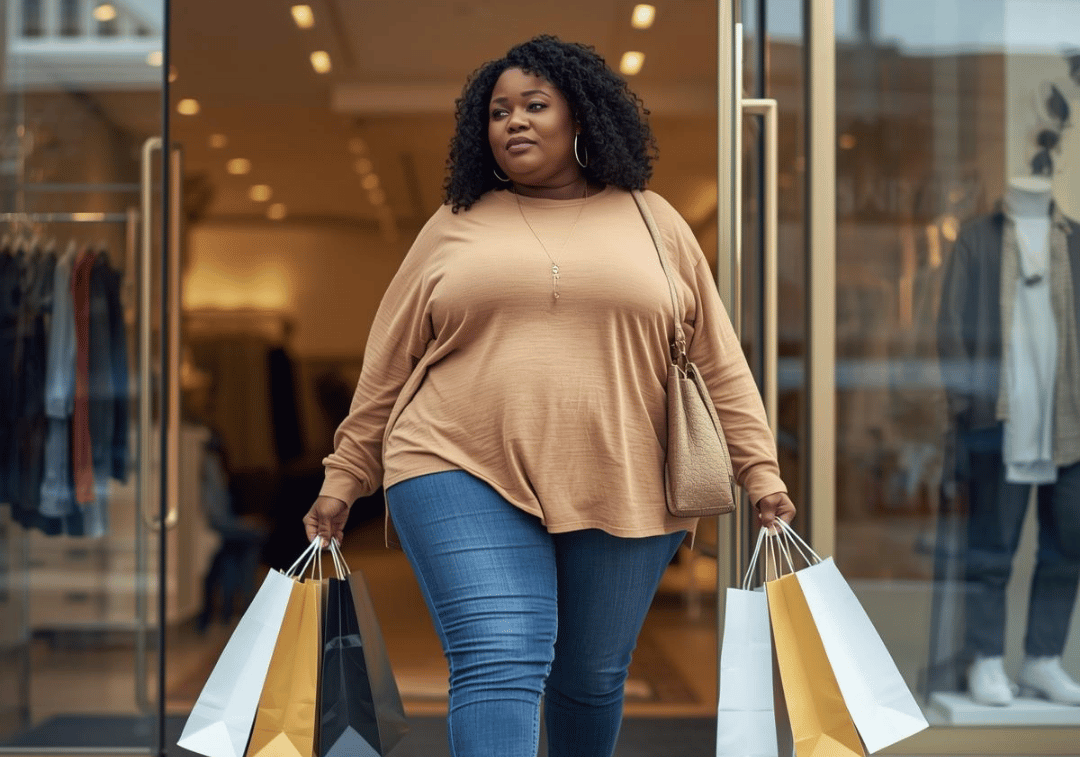
The benefits of genuine representation go far beyond optics. When customers see themselves reflected, trust increases. They feel understood. They feel considered. They feel confident that the brand designs with their needs in mind, not as an afterthought.
Visible representation reduces returns, increases conversion rates, and builds long-term loyalty. Extended sizing stops being theoretical and becomes usable, approachable, and empowering. Shoppers can better assess fit, envision themselves in the garment, and make informed decisions.
In short: representation improves the customer experience—and the bottom line.
Inclusion Only Works When It’s Visible
Every garment tells a story about who is welcome and who is not. Every product image either invites customers in or quietly pushes them away. If brands are serious about inclusion, they must show it—literally.
Representation matters. Extended sizes matter. And until both are visible, true inclusion will remain out of reach for far too many shoppers.

SHOP OUR AMAZON STOREFRONT
Discover our handpicked collection of products for plus-size
living-from cycling gear and adaptive equipment to clothing,
travel essentials, home must-haves, and more.
*As an Amazon Associate, we may earn from qualifying purchases.*


© 2025 by Body Ready LLC. All rights reserved.
We are a participant in various affiliate programs—including Amazon Services LLC Associates Program, Walmart Affiliate Program, Impact.com, CJ.com, Awin, and other brand affiliate programs—designed to provide a means for us to earn commissions by linking to their affiliated sites.


