
The Myth That People Over a Size 24 Don’t Spend Money
Few assumptions have done more harm to size inclusion than the persistent belief that people over a size 24 don’t buy clothing. This myth isn’t just inaccurate—it actively shapes how brands design, stock, and market their products. It influences buying decisions, limits inventory, and often becomes the justification for stopping size ranges at 24 altogether.
The result? A self-fulfilling prophecy that excludes millions of consumers while leaving real revenue on the table.
The Reality: Extended-Size Shoppers Spend More, Not Less
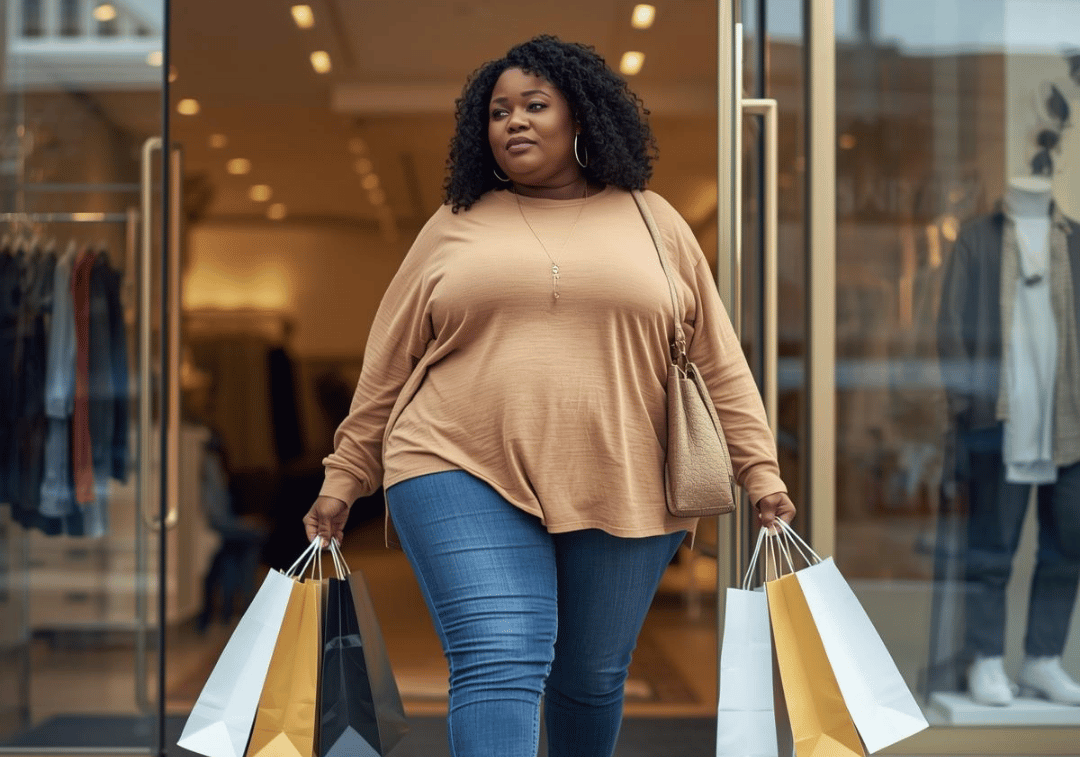
The truth is strikingly different from the narrative many brands rely on. Extended-size shoppers frequently spend more per purchase than straight-size customers. When clothing options are limited, every viable garment matters more. Finding a piece that fits well, feels comfortable, and reflects personal style isn’t casual—it’s an investment.
Scarcity increases value. When shoppers know that a brand rarely offers their size, they are often willing to pay more for items that truly work. Fit, fabric quality, construction, and longevity become priorities because replacements are hard to find. This isn’t hesitation to spend—it’s intentional spending.
Why the Sales Data Is Misleading
Many brands point to low sales numbers in extended sizes as proof that demand doesn’t exist. But those numbers are usually the result of flawed execution, not consumer behavior.
Common issues include:
Extremely limited production runs
Inconsistent restocks
Online-only availability
Minimal or nonexistent marketing
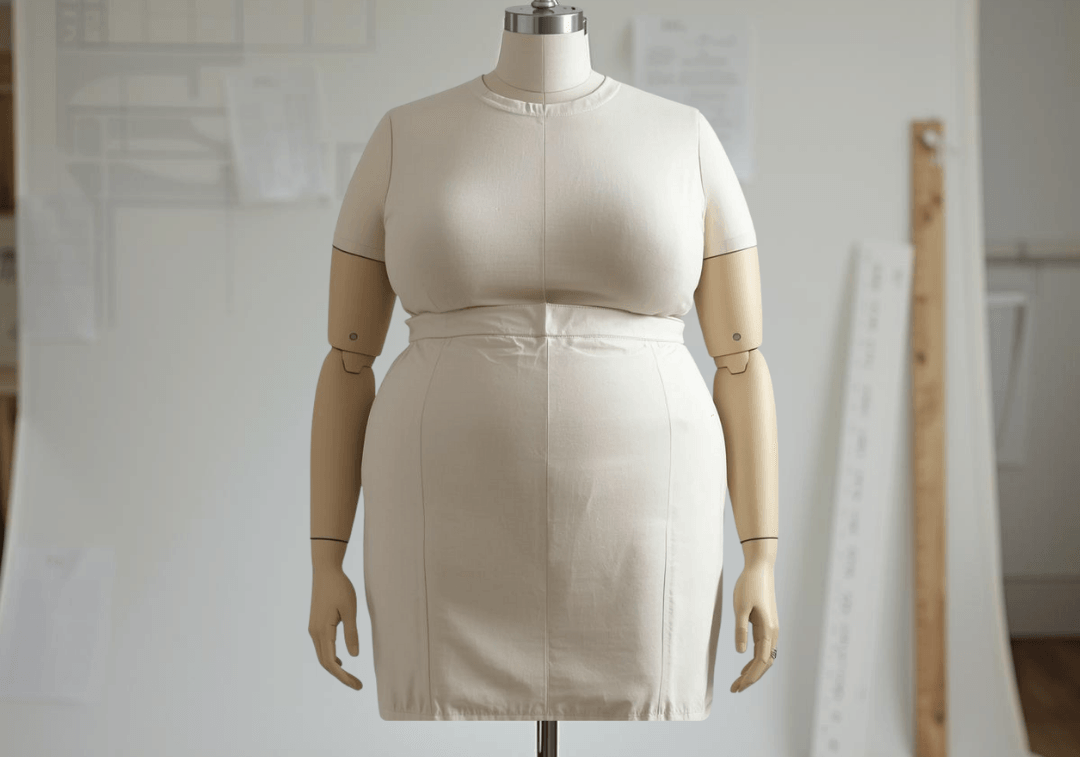
Poor fit due to pattern grading instead of true size development
When extended sizes sell out quickly—or are never meaningfully stocked to begin with—sales data becomes distorted. What appears to be low demand is more accurately described as low access.
You cannot evaluate demand for products customers rarely get the opportunity to buy.
Frustration Is Not Disinterest
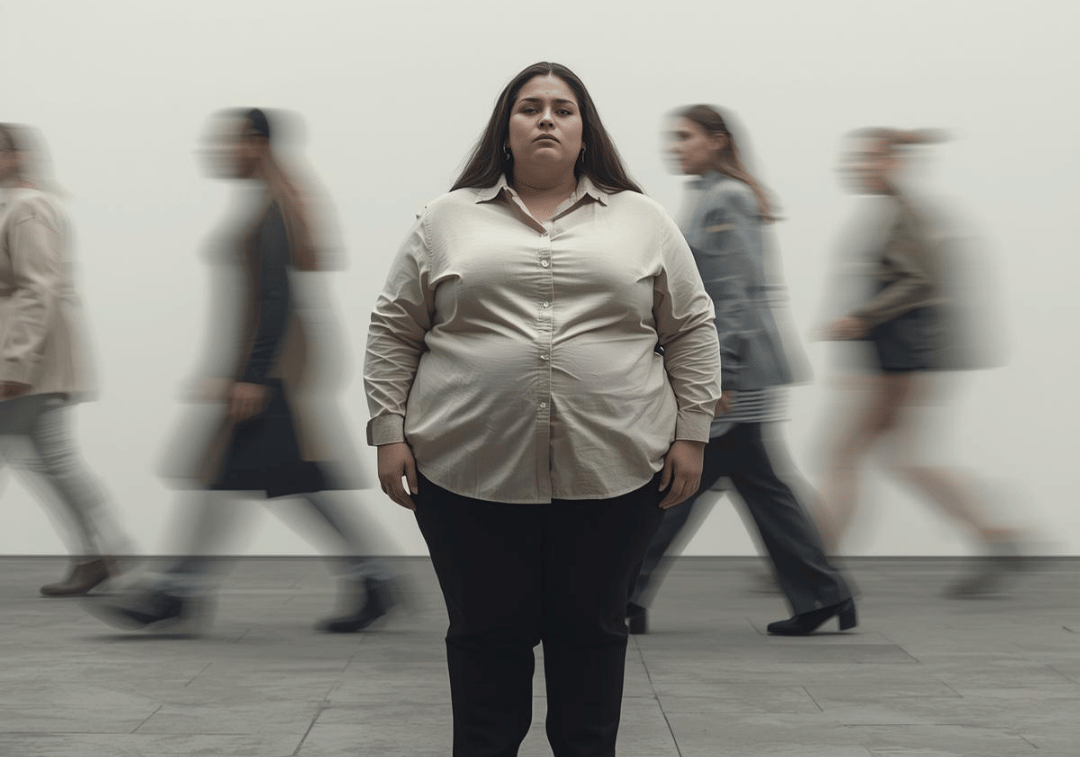
Consider the experience of a plus-size shopper who repeatedly encounters empty racks, missing sizes, or brands that quietly drop extended sizing with no explanation. Over time, this leads to frustration and fatigue—not apathy.
Eventually, many customers stop checking those brands altogether. They redirect their energy toward the few retailers that consistently show up for them. From the outside, this looks like disinterest. In reality, it’s a rational response to being repeatedly excluded.
When brands misinterpret this withdrawal as a lack of demand, they reinforce the very conditions that caused it.
You Can’t Measure Demand for What You Barely Offer
Accurate, actionable data requires real commitment. Brands that genuinely want to understand extended-size demand must invest in:
Meaningful inventory levels
Consistent availability
In-store and online visibility
Campaigns that actually feature extended-size bodies
Merchandising that treats these sizes as standard, not experimental
Anything less guarantees misleading results and perpetuates the myth.
Extended Sizes Are a Business Opportunity
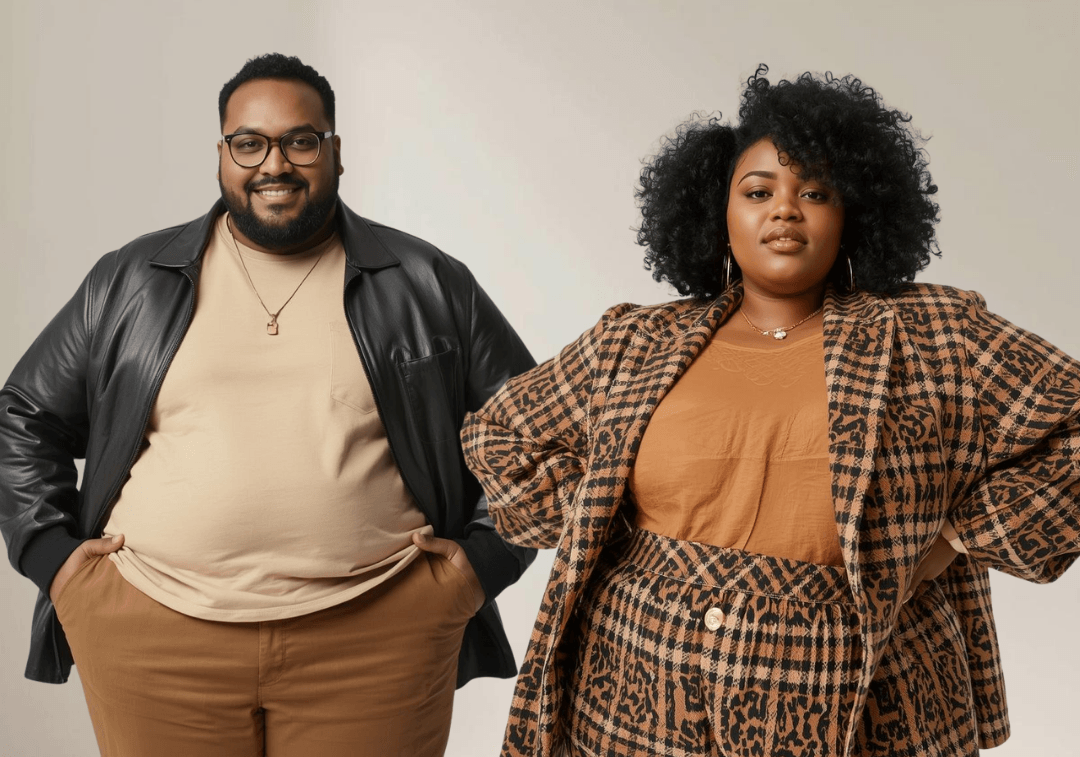
Investing in extended sizes isn’t just an inclusion issue—it’s a business one. Extended-size customers are often deeply loyal to brands that respect them. When shoppers find a company that offers consistent sizing, thoughtful design, and visible representation, they return.
They also talk. Word-of-mouth within underserved communities is powerful, especially when trust is earned.
Ignoring this market doesn’t protect profitability—it limits growth.
Breaking the Myth Requires a Mindset Shift
Dismantling the belief that people over a size 24 don’t spend money requires more than adding a token size 26 to a collection. It requires a fundamental shift in how brands view plus-size consumers: not as a risk, not as an experiment, but as valuable, engaged customers with real purchasing power.
When brands commit to doing extended sizing well—through design, inventory, marketing, and respect—everyone benefits. Customers gain access to clothing that fits their bodies and their lives. Businesses unlock a vibrant, profitable market that has been overlooked for far too long.
The spending power is there. The question is whether brands are finally willing to meet it.
SHOP OUR AMAZON STOREFRONT
Discover our handpicked collection of products for plus-size
living-from cycling gear and adaptive equipment to clothing,
travel essentials, home must-haves, and more.
*As an Amazon Associate, we may earn from qualifying purchases.*


© 2025 by Body Ready LLC. All rights reserved.
We are a participant in various affiliate programs—including Amazon Services LLC Associates Program, Walmart Affiliate Program, Impact.com, CJ.com, Awin, and other brand affiliate programs—designed to provide a means for us to earn commissions by linking to their affiliated sites.


